
Dental implants, bridges, and dentures can all replace missing teeth, but they work in different ways. An implant is anchored in the jawbone, a bridge is supported by neighbouring teeth or implants, and a denture is a removable appliance that replaces some or all missing teeth.
There is no single best option for everyone. The right choice depends on how many teeth are missing, the condition of the remaining teeth and gums, jawbone health, your preferences, and the treatment plan recommended after an examination.
Each tooth replacement option has different benefits and considerations. Understanding how they work can help you have a more informed conversation with your dentist.
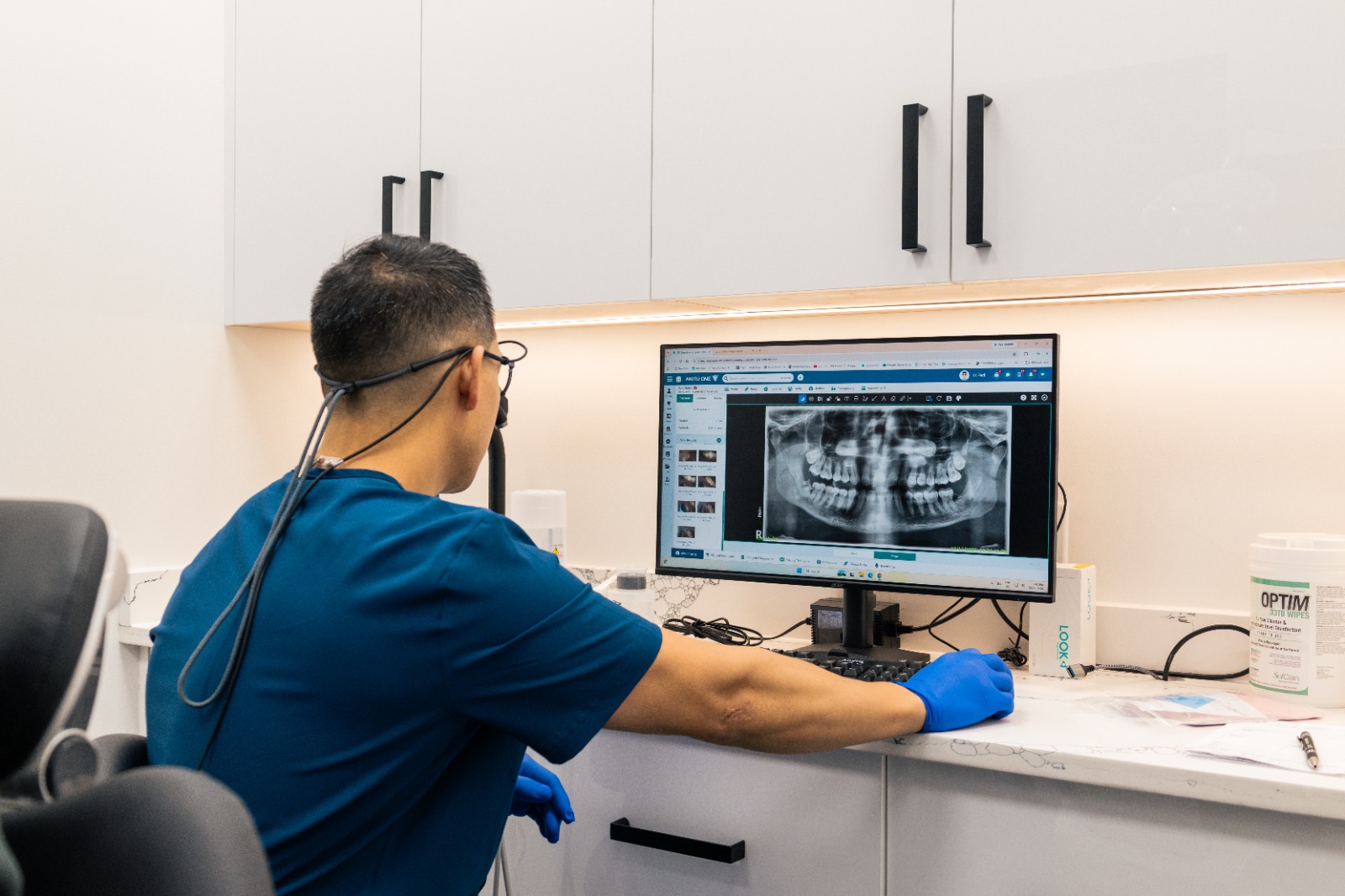
A dental implant is a small post, commonly made from titanium, that is placed in the jawbone to act as an artificial tooth root. Once the implant has integrated with the surrounding bone, it can support a replacement crown, bridge, or denture.
For a single missing tooth, an implant may support an individual crown without using the neighbouring teeth as supports. Implants can also be used to support larger restorations when several or all teeth in an arch are missing.
Implant treatment involves surgery and healing time. The jawbone must be suitable for implant placement, and some patients may need additional procedures such as bone grafting. Implants also require ongoing home care and professional maintenance. Smoking, certain health conditions, gum disease, and other factors may affect suitability and healing.
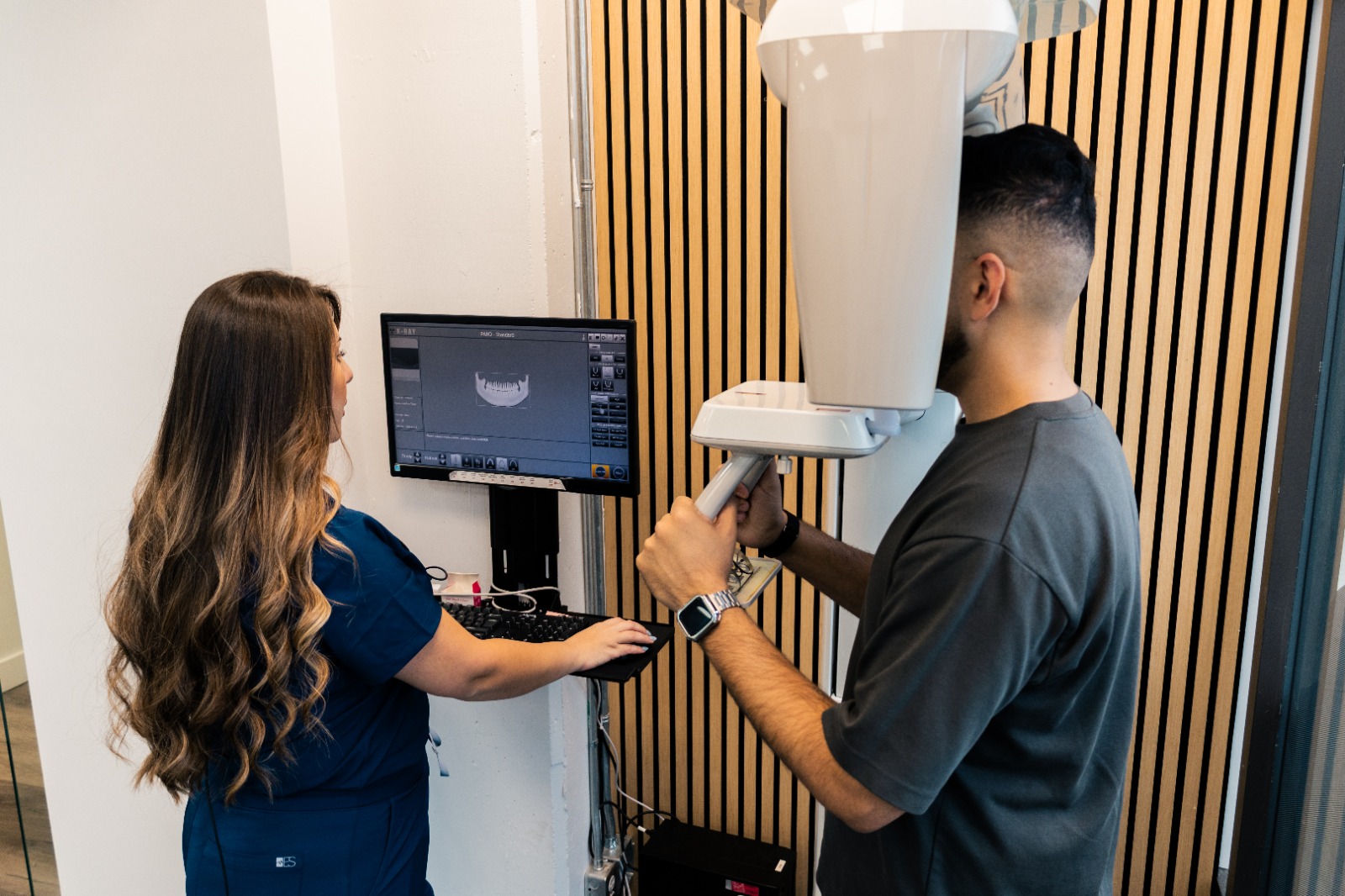
A dental bridge replaces one or more missing teeth by joining an artificial tooth to supporting crowns or other attachments. In a traditional bridge, the teeth on one or both sides of the gap are prepared to support the restoration. Some bridges are supported by dental implants instead.
A traditional bridge usually requires reshaping the supporting teeth. Those teeth must be healthy and strong enough to support the restoration. The area beneath the replacement tooth needs careful cleaning, and the bridge may need repair or replacement over time.
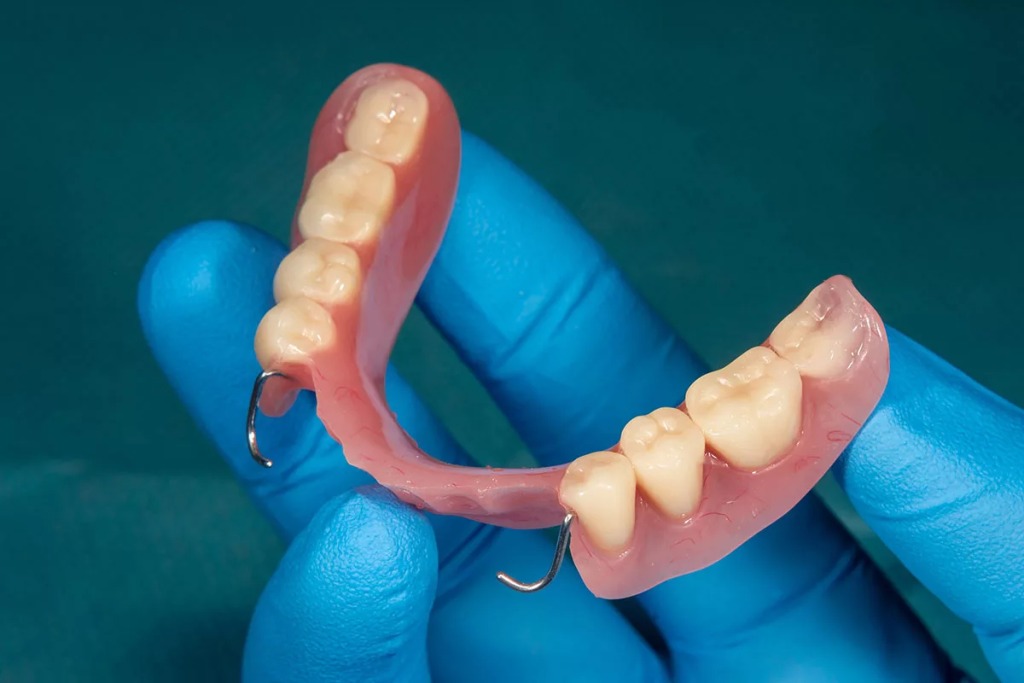
Dentures are removable appliances that replace missing teeth. A partial denture is used when some natural teeth remain, while a complete denture replaces all teeth in the upper or lower arch. Some dentures are supported by implants to improve stability.
Removable dentures need to be taken out for cleaning and may require an adjustment period. They can feel different from natural teeth and may need relining or replacement as the gums and jaw change. A dentist can explain whether a conventional or implant-supported design is appropriate.
The table below highlights some of the main differences between implants, bridges, and dentures.
| Feature | Implants | Bridges | Dentures |
|---|---|---|---|
| How they stay in place | Anchored in jawbone | Supported by teeth or implants | Rest on gums or attach to implants |
| Removable by patient | No, for fixed restorations | No, for fixed bridges | Usually yes; implant designs vary |
| Surgery | Usually required | Not for a conventional bridge | Not for conventional dentures |
| Adjacent teeth | May not need preparation | Often prepared for traditional bridge | May use clasps or other supports |
| Maintenance | Daily cleaning and professional reviews | Daily cleaning under and around bridge | Daily removal and cleaning; regular reviews |
Start with a complete dental assessment. Your dentist will review the number and position of missing teeth, the health of the remaining teeth and gums, your bite, jawbone condition, medical history, and goals. Imaging or other records may be recommended when needed.
It is also important to discuss the full treatment sequence, expected appointments, healing time, cleaning requirements, maintenance, and costs. If you have more than one suitable option, comparing the long-term care involved can help you make an informed decision.
Not for every patient. Implants and bridges have different requirements, benefits, and limitations. An implant may avoid preparing neighbouring teeth, while a bridge may be suitable when the supporting teeth and clinical conditions are appropriate.
No. Depending on your oral health and goals, options may include conventional dentures, implant-supported removable dentures, or fixed full-arch implant restorations.
Yes. Implants can support individual crowns, bridges, or a full-arch prosthesis. The number and position of implants depend on the clinical assessment and restoration design.
Longevity varies with the type of restoration, oral hygiene, bite forces, health factors, and regular maintenance. Your dentist can explain expected maintenance and replacement considerations for your specific plan.
If you are living with one or more missing teeth, Shaughnessy Square Dental Centre can help you explore suitable replacement options. Book a consultation to discuss implants, bridges, dentures, and the approach that fits your oral health needs.
Related service page:
Restorative Dentistry
Book an appointment:
Book Your Appointment
The following reputable sources informed the general patient-education content. The treating dentist should review the article before publication.