
What Is Restorative Dentistry?
Restorative dentistry is the branch of dental care focused on repairing and replacing teeth. Where preventive care aims to stop problems developing, restorative treatment deals with damage that has already happened, whether from decay, injury, wear, or tooth loss.
The right treatment depends on how much of the tooth remains and what’s causing the problem. Sometimes a small filling is enough. Other times a tooth needs full coverage with a crown, or replacement altogether.
Our Restorative Treatments
Dental Fillings
When decay has damaged part of a tooth, a filling removes the affected area and restores the tooth’s shape and function. We use tooth-coloured composite fillings, which blend with your natural enamel rather than standing out.
Fillings are one of the most common dental treatments, and catching decay early usually means a smaller, simpler repair.
Dental Crowns
A crown is a custom-made cap that covers a tooth entirely. Crowns are used when a tooth is too damaged or weakened for a filling, after root canal treatment, or to protect a cracked tooth from breaking further.
A well-fitted crown restores the tooth’s strength and shape while matching the appearance of the teeth around it.
Dental Bridges
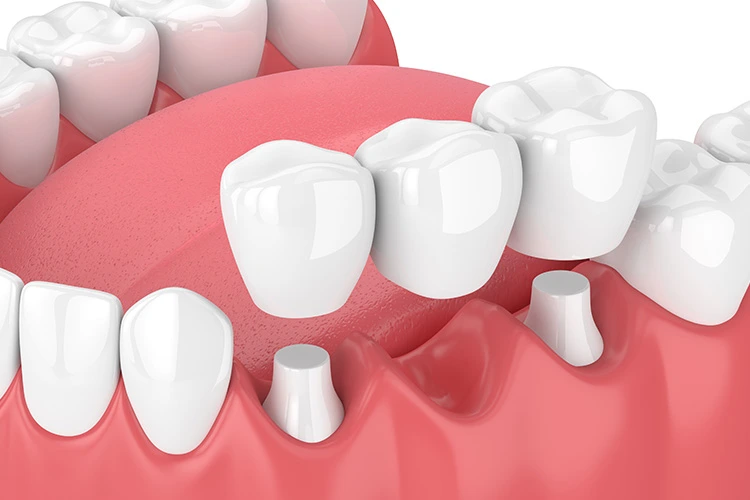
A bridge replaces one or more missing teeth by anchoring a replacement tooth to the healthy teeth on either side. It fills the gap, restores your bite, and stops the surrounding teeth drifting out of position.
Root Canal Treatment
When infection reaches the soft tissue inside a tooth, root canal treatment removes it and saves the tooth rather than losing it. Despite its reputation, the procedure is performed under local anaesthetic and is usually comparable to having a filling placed.
Dentures
Dentures replace multiple missing teeth and are custom-made to fit your mouth. Full dentures replace an entire arch, while partial dentures fill gaps where some natural teeth remain.
For patients who want more stability than a conventional denture provides, implant-supported dentures anchor to a small number of implants, which significantly reduces movement while eating and speaking.
Dental Implants
An implant replaces both the root and the visible part of a missing tooth. Because implants are placed in the jawbone, they help maintain bone volume in a way that bridges and dentures don’t.
Which Treatment Is Right for You?
| If you have | Common options |
|---|---|
| A small cavity | Dental filling |
| A large cavity or weakened tooth | Dental crown |
| An infected tooth | Root canal treatment, usually followed by a crown |
| One missing tooth | Dental implant or bridge |
| Several missing teeth | Bridge, partial denture, or implants |
| All teeth missing in an arch | Full denture or implant-supported denture |
This is a general guide rather than a diagnosis. What’s right for you depends on the condition of the tooth, the health of your gums and bone, and your own preferences. We’ll go through the options with you at your appointment.
Signs You May Need Restorative Treatment
Book an appointment if you notice any of the following:
- Sensitivity to hot, cold, or sweet foods
- Pain when biting or chewing
- A visible chip, crack, or hole in a tooth
- A tooth that has darkened or changed colour
- A rough or sharp edge you can feel with your tongue
- A lost or loose filling or crown
- Difficulty chewing on one side
- Gaps from missing teeth
Some dental damage causes no symptoms at all in its early stages, which is one reason regular checkups matter.
What to Expect
Most restorative treatments follow a similar path. We start with an examination and X-rays to understand exactly what’s happening with the tooth. We then explain what we’ve found, walk through the options, and give you a clear treatment plan before anything begins.
Simple treatments like fillings are usually completed in a single visit. Crowns, bridges, and dentures typically involve two or more appointments, since the restoration is custom-made in a dental laboratory between visits.
Local anaesthetic is used for treatments that need it, and we’ll check that you’re comfortable before starting.
Restorative Care and Your Coverage
Many restorative treatments are covered at least in part by dental insurance, and we offer direct billing to most providers. Shaughnessy Square Dental Centre is also a participating provider for the Canadian Dental Care Plan, which covers a range of restorative services including fillings, root canals, and dentures for eligible patients.
It’s worth knowing that dental implants fall outside CDCP coverage. Where a treatment isn’t covered, we’ll tell you upfront and go through the alternatives.
Frequently Asked Questions
How long do dental crowns last?
With good oral hygiene and regular checkups, crowns commonly last many years. Their lifespan depends on the material used, where the crown sits in your mouth, and habits like grinding.
Is a root canal painful?
Root canal treatment is performed under local anaesthetic, so the procedure itself is usually comparable to having a filling placed. Most of the pain people associate with root canals comes from the infection beforehand, which the treatment relieves.
What's the difference between a bridge and an implant?
A bridge anchors a replacement tooth to the teeth on either side, which means reshaping those healthy teeth. An implant replaces the tooth root itself without altering neighbouring teeth, and helps preserve the jawbone.
Are tooth-coloured fillings as strong as metal ones?
Modern composite fillings are durable and suitable for most situations. We’ll recommend the most appropriate material for the size and position of the filling.
Can a badly damaged tooth still be saved?
Often, yes. Treatments like root canals and crowns save teeth that might once have been extracted. Whether it’s possible depends on how much healthy tooth structure remains.
Does restorative dental work look natural?
Yes. Crowns, bridges, and fillings are matched to the shade of your surrounding teeth, so restorations blend in rather than standing out.
Repair Your Smile in Port Coquitlam
Whether it’s a small cavity or a missing tooth, the sooner it’s addressed the simpler the treatment usually is. Request an appointment online or give us a call, Monday through Saturday.