What to Do When a Dental Crown Falls Out? Get Tips
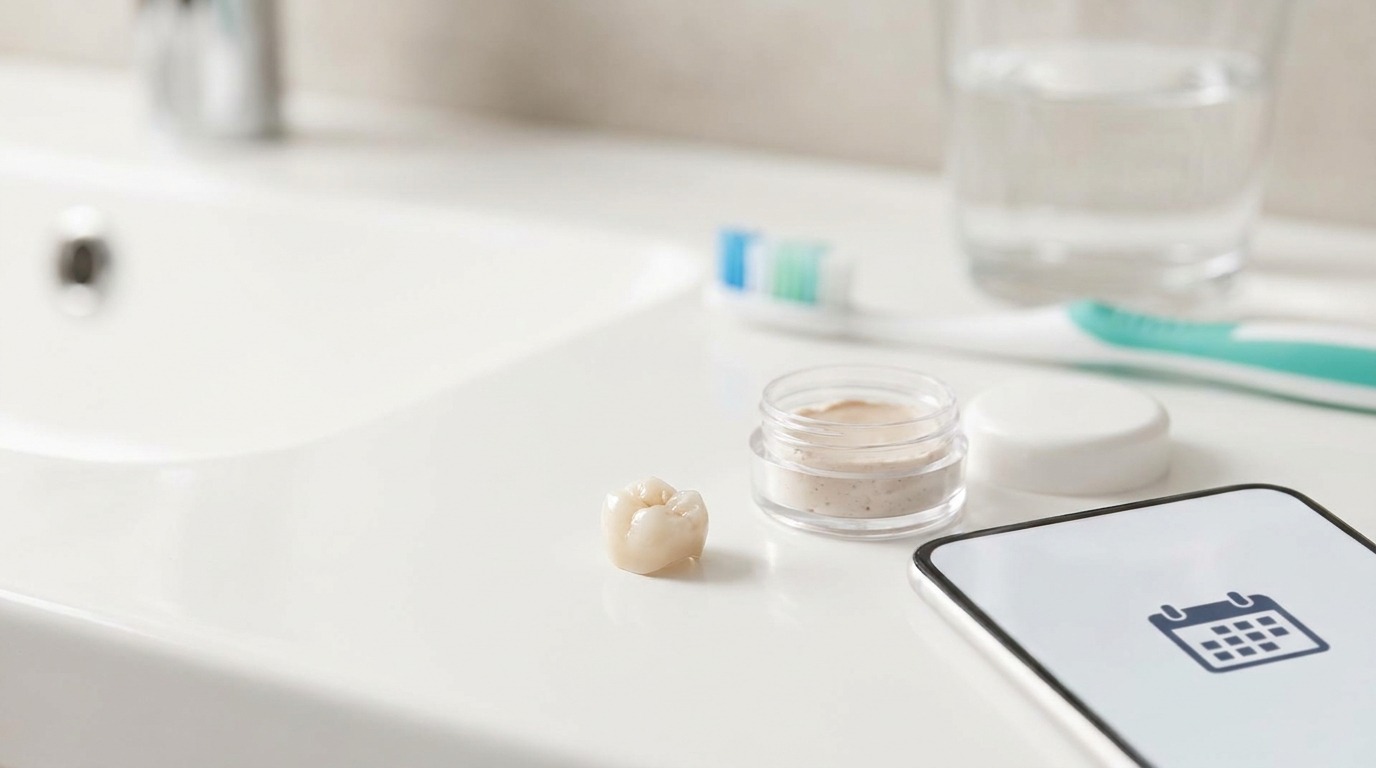
Keep the crown in a safe container and contact your dentist. The exposed tooth may be sensitive or vulnerable, so avoid chewing on that side and keep the area clean. Do not use household glue. The dentist will check whether the crown can be recemented or needs replacement.
When should you speak with a dentist?
If a symptom is persistent, worsening, painful, or different from your usual oral health, arrange a dental assessment. A dentist can examine the area, consider your history, and explain whether monitoring, prevention, or treatment is appropriate. Do not use an online article to diagnose a dental condition.
Immediate Steps to Take
Find and inspect the crown.
Remove it from your mouth immediately so you do not accidentally swallow or bite down on it. Check if it is hollow and intact, or if a piece of your natural tooth is stuck inside it.
Clean the crown gently.
Rinse it with warm water and use a soft-bristled toothbrush to clear away any loose food debris. Avoid scrubbing the inside aggressively or using harsh chemicals, as you do not want to damage the inner surface.
Store it safely.
Place the dry crown in a clean, secure container (like a small pill box or zip-top bag) to bring to your appointment—never wrap it in a tissue, which is easily thrown away by mistake.
Keep the exposed tooth clean.
Rinse your mouth gently with warm salt water (half a teaspoon of salt in a glass of warm water) after meals, and brush the exposed tooth very softly.
How to Protect the Exposed Tooth Temporarily
An uncovered tooth underneath a crown is often sensitive to air, temperature, and pressure. If you cannot see a dentist the same day:
Use over-the-counter temporary dental cement.
Look for temporary crown cement (available at most pharmacies) to hold the crown in place briefly. Follow the package directions carefully, dry the tooth lightly first, and gently bite down to make sure your bite feels even.
Alternative temporary cover.
If you do not have temporary cement, you can coat the exposed tooth with orthodontic dental wax or a tiny dab of sugar-free gum to shield it from cold air and sharp edges.
Never use household glue.
Do not use superglue, nail glue, or regular adhesives—they are toxic and will permanently ruin both the crown and your tooth.
Eating and Care Tips Until Your Visit
Chew on the opposite side.
Avoid putting biting pressure on the exposed tooth, even if you temporarily re-seated the crown.
Skip risky foods.
Stay away from sticky foods (caramel, gum), hard or crunchy snacks (nuts, ice, hard bread), and very hot, cold, or sugary drinks that trigger sensitivity.
Manage discomfort.
If the tooth aches, take an over-the-counter pain reliever like ibuprofen or acetaminophen, or apply a tiny drop of clove oil to the tooth with a cotton swab to temporarily dull nerve sensitivity.
When to Seek Urgent Care
Book a routine prompt visit (within 2 to 3 days)
if you have little to no pain and the crown is intact. Teeth can begin shifting in just a few days, making a new crown necessary if you wait too long.
Seek same-day emergency dental care
if the exposed tooth has jagged edges cutting your tongue, if you experience severe throbbing pain, or if you notice swelling, pus, or a bad taste coming from the gums around the tooth.
Frequently Asked Questions
Can this article tell me what is happening in my mouth?
No. Similar symptoms can have different causes. An examination is needed to identify the cause and recommend care for your situation.
Should I wait until the problem becomes painful?
No. Some dental conditions develop with few symptoms. Arrange an assessment for persistent changes or concerns rather than waiting for severe pain.
Explore Your Dental Care Options
For questions about your oral health, contact Shaughnessy Square Dental Centre in Port Coquitlam. The team can help arrange an assessment and discuss appropriate next steps.