Tooth Breaks! Get Important steps for rapid treatment
Tooth Breaks! Get Important steps for rapid treatment
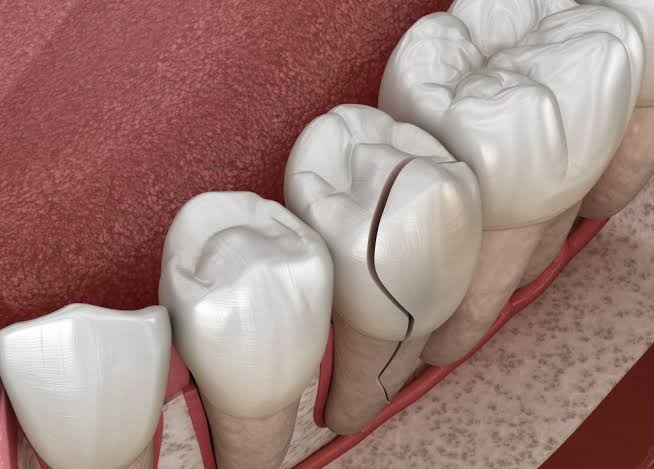
Rinse gently with water, save any broken pieces, and contact a dentist. Avoid chewing on that side and do not place aspirin or medication directly on the tooth or gum. Treatment may involve a filling, crown, root canal, or another option depending on the fracture. Major facial injury, uncontrolled bleeding, or breathing difficulty needs emergency medical care.
Immediate First-Aid Steps
Rinse gently with warm water.
Swish lukewarm water or a mild saltwater rinse (half a teaspoon of salt in a glass of warm water) to clear blood and debris. Avoid very hot or cold water, which can trigger severe nerve pain.
Save any broken fragments.
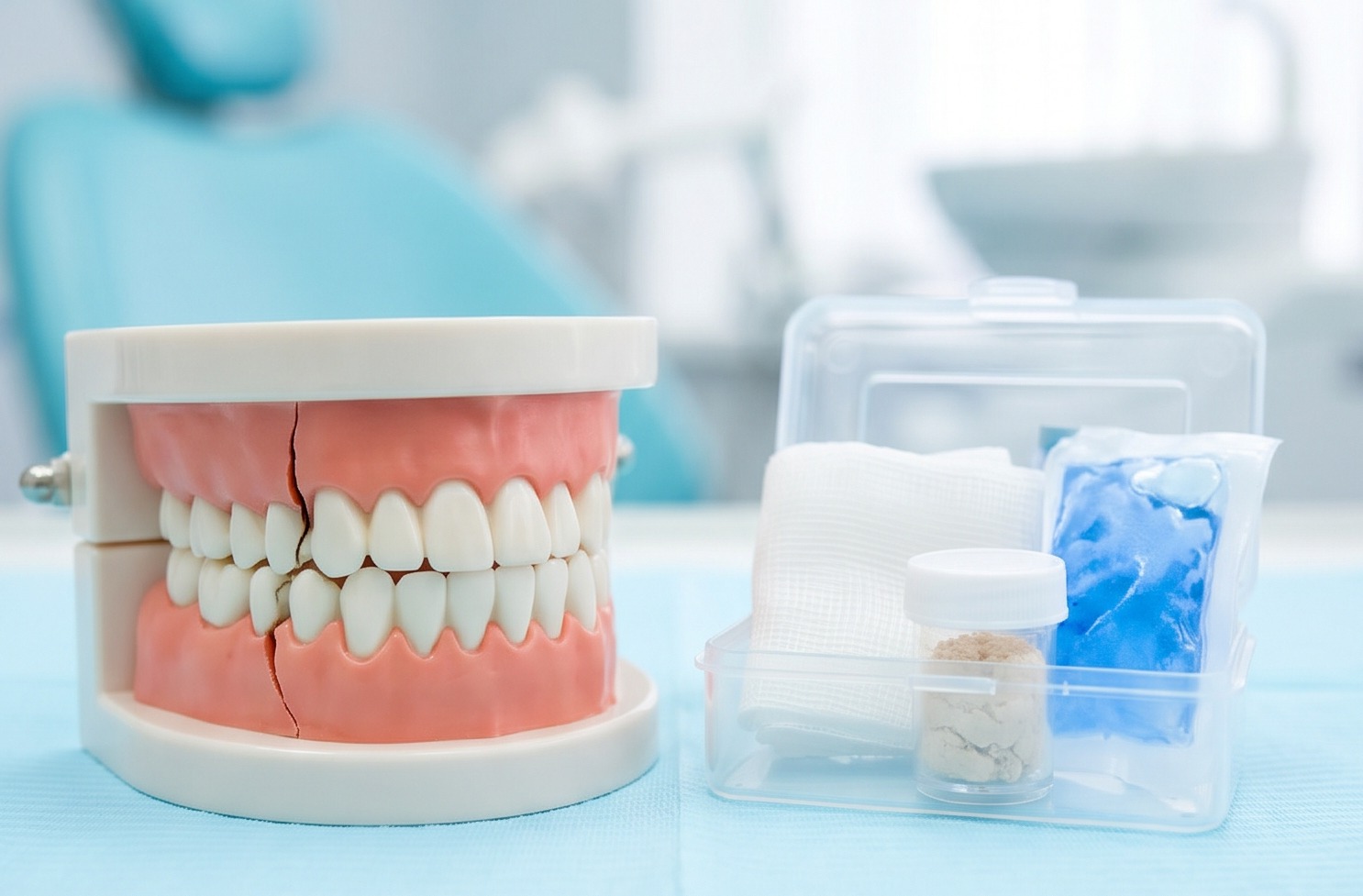
Pick up broken pieces by the white crown (never touch the root area if the whole tooth came out), rinse them lightly with water if dirty, and store them in a clean container with milk or your own saliva. A dentist can sometimes bond the fragment back in place.
Stop any bleeding.
Press a clean piece of damp gauze or cloth firmly against the bleeding area for 10 to 15 minutes.
Protect sharp edges.
If the broken tooth leaves a jagged edge that cuts your tongue or cheek, cover it temporarily with orthodontic dental wax or a small piece of sugar-free gum.
Reduce pain and swelling.
Hold a cold compress or ice pack wrapped in a cloth against the outside of your cheek for 10 to 15 minutes at a time. You can take an over-the-counter pain reliever like ibuprofen or acetaminophen, but never place aspirin directly against the tooth or gums, as it burns tissue
When should you speak with a dentist?
If a symptom is persistent, worsening, painful, or different from your usual oral health, arrange a dental assessment. A dentist can examine the area, consider your history, and explain whether monitoring, prevention, or treatment is appropriate. Do not use an online article to diagnose a dental condition.
Frequently Asked Questions
Can this article tell me what is happening in my mouth?
No. Similar symptoms can have different causes. An examination is needed to identify the cause and recommend care for your situation.
Should I wait until the problem becomes painful?
No. Some dental conditions develop with few symptoms. Arrange an assessment for persistent changes or concerns rather than waiting for severe pain.
Explore Your Dental Care Options
For questions about your oral health, contact Shaughnessy Square Dental Centre in Port Coquitlam. The team can help arrange an assessment and discuss appropriate next steps.