
Wisdom teeth removal begins with an examination and, when needed, dental imaging to understand the position of the teeth. If removal is recommended, your dentist will explain the procedure, anaesthesia options, possible risks, and aftercare so you know what to expect.
Wisdom teeth are the third molars at the very back of the mouth. They often emerge during the late teenage years or early adulthood, although timing varies. Some wisdom teeth come through normally and remain healthy. Others may become impacted, meaning they do not have enough room to erupt fully or are positioned in a way that makes cleaning difficult.
A wisdom tooth does not automatically need to be removed simply because it is present. Your dentist considers its position, the health of the surrounding gum tissue, the condition of nearby teeth, and whether there are current or likely problems.
If a wisdom tooth is healthy, fully erupted, functional, and easy to clean, monitoring may be appropriate. Your dentist can explain whether observation or removal is the more suitable option for your circumstances.
The first step is an assessment. Your dentist will ask about symptoms, medical history, medications, and previous dental treatment. An examination helps assess the gums, the wisdom teeth, and the neighbouring molars. Dental X-rays may be recommended to evaluate the tooth position and its relationship to nearby structures.
If removal is appropriate, the dentist will explain whether the procedure is expected to be a straightforward extraction or a surgical removal. The plan depends on factors such as whether the tooth has erupted, its angle, its roots, and its proximity to important anatomical structures. Ask about the type of anaesthesia or sedation available and whether you will need someone to accompany you home.
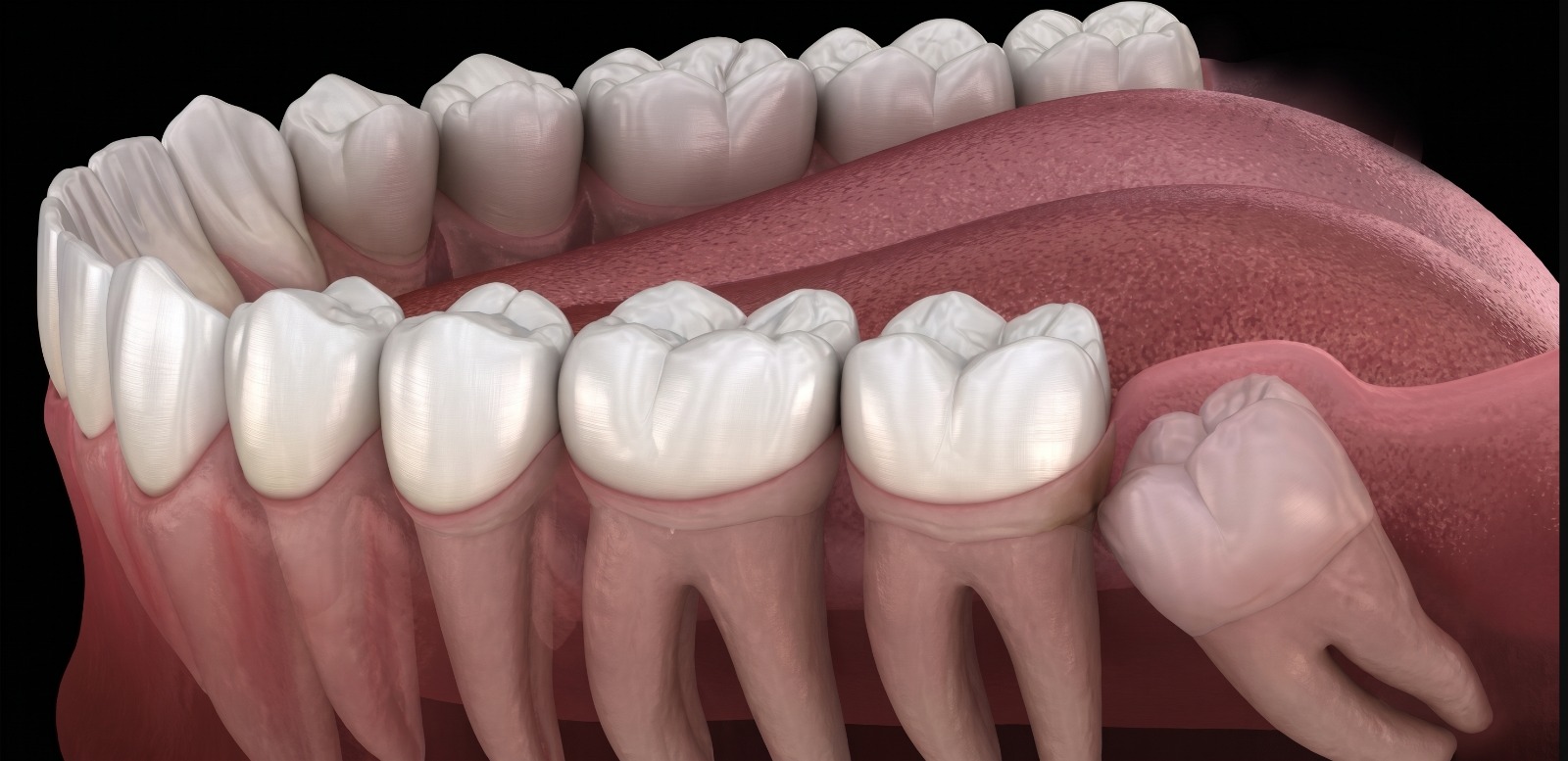
The area is usually numbed with local anaesthetic. You should not feel sharp pain during the procedure, although pressure or movement may be noticeable. If the tooth is fully erupted, it may be possible to remove it without a surgical incision. If it is impacted or partly covered by gum or bone, the dentist or oral surgeon may need to open the gum tissue and, in some cases, divide the tooth into smaller sections to remove it safely.
The site may be cleaned and stitches may be placed when needed. Gauze is commonly used to help control bleeding and allow a protective blood clot to form. The exact steps depend on the tooth and the complexity of the case.
Some soreness, swelling, bruising, and jaw stiffness can occur after wisdom teeth removal. Symptoms are often more noticeable during the first few days and should gradually improve. Recovery varies depending on the number of teeth removed and whether the procedure involved surgery.
Your dentist will provide instructions specific to your treatment. General aftercare commonly includes:
A blood clot forms in the socket and is an important part of healing. If it becomes dislodged or does not form properly, a painful condition called dry socket can develop. Contact your dental team if pain becomes significantly worse after initially improving, or if you notice persistent bleeding, fever, worsening swelling, pus, or a bad taste.
If a wisdom tooth is healthy and does not cause problems, it may not need to be removed. However, a wisdom tooth that is impacted, partly erupted, decayed, or repeatedly infected may continue to create problems. Leaving a problematic tooth untreated can allow pain, infection, decay, or damage to nearby teeth to progress.
The right decision is based on an examination, not a general rule that all wisdom teeth must be removed. Regular dental checkups help your dentist monitor changes and discuss treatment at an appropriate time.
The area is numbed with anaesthetic during the procedure. You may feel pressure, but you should tell the dental team if you feel pain. Soreness and swelling are common during recovery and should be managed according to your dentist’s instructions.
Recovery differs from person to person and depends on the complexity of the extraction. Many people improve over several days, while complete healing of the area takes longer. Follow the instructions provided for your particular procedure.
No. Healthy wisdom teeth that are correctly positioned and easy to clean may be monitored. Removal is considered when examination shows a current problem or a meaningful risk.
Contact your dental team for bleeding that does not settle, worsening pain or swelling, fever, discharge, or symptoms that concern you. Seek urgent medical care for difficulty breathing or swallowing.
If your wisdom teeth are painful, difficult to clean, or causing repeated swelling, arrange an assessment with Shaughnessy Square Dental Centre. Dr. Fadi and Dr. Soha can discuss the findings and explain the next steps that are appropriate for your oral health.
Meet Dr. Fadi Ibrahim Book an AppointmentThe following reputable sources informed the general patient-education content. The treating dentist should review the article before publication.