
A professional dental cleaning removes plaque and hardened tartar from areas that everyday brushing and flossing may miss. Your appointment may also include an assessment of your gums and personalized home-care advice.
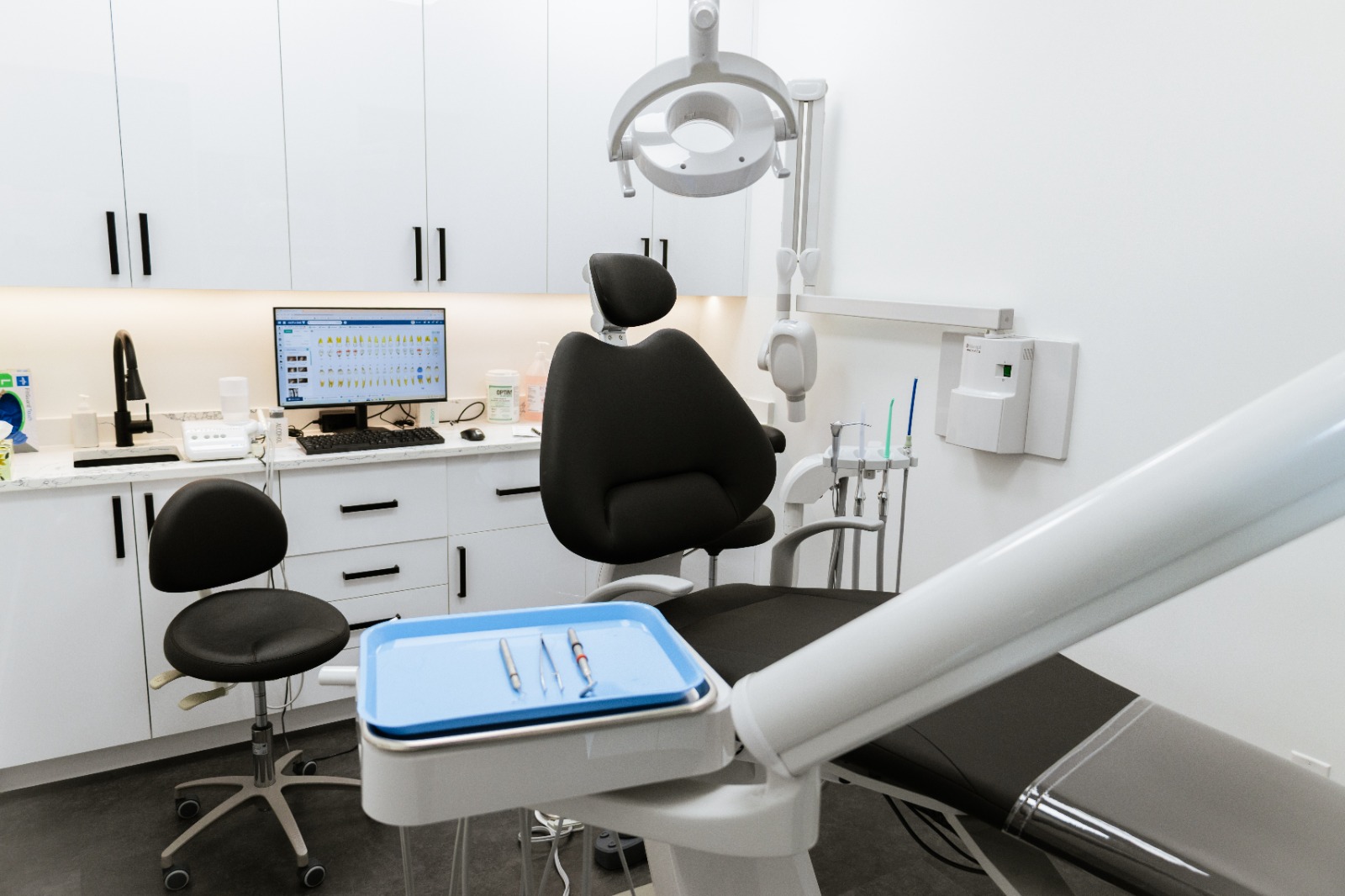
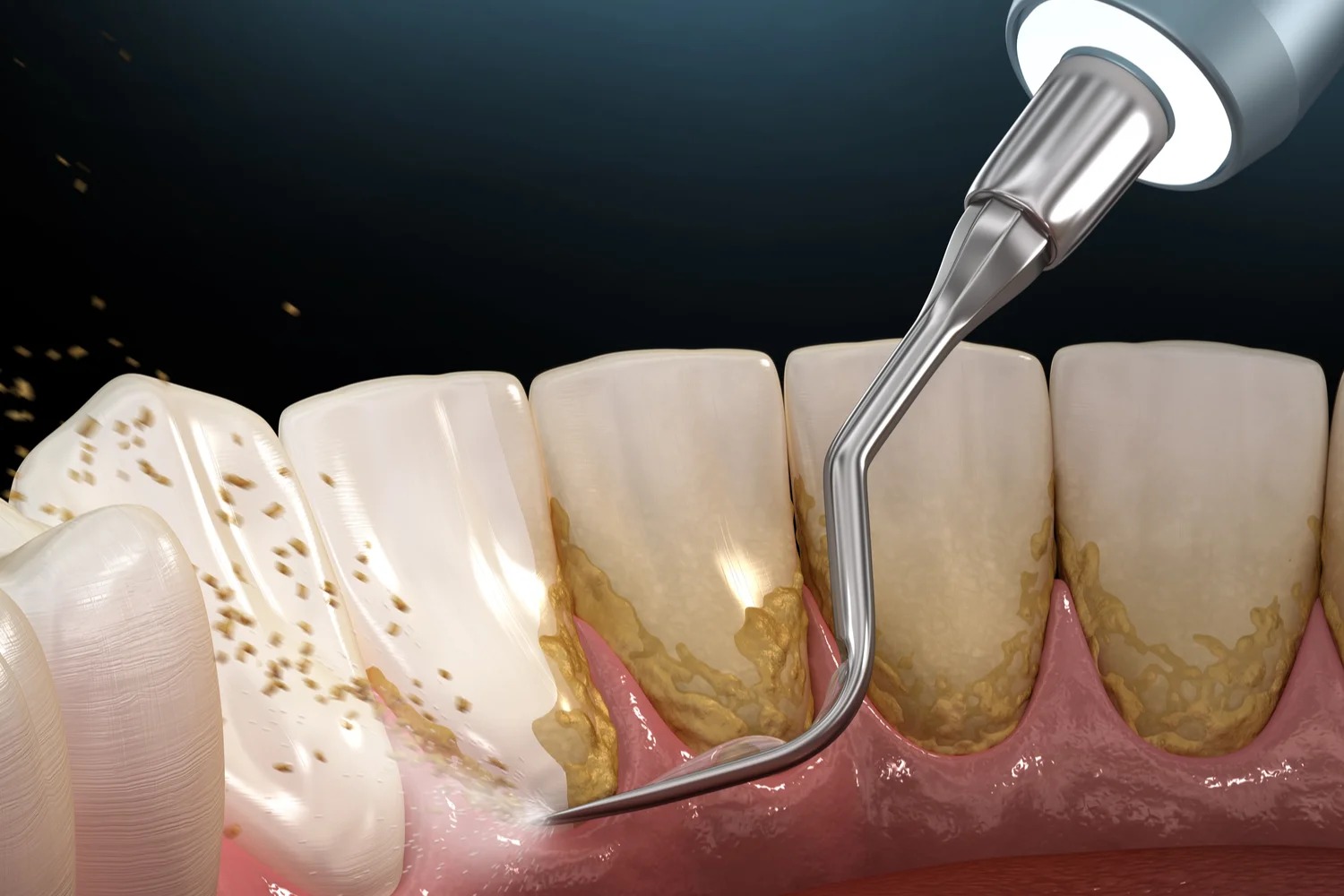
Plaque is a soft film of bacteria that forms on teeth. If it is not removed regularly, it can contribute to tooth decay and gum inflammation. Plaque that hardens into tartar cannot be removed with a toothbrush and needs professional instruments.
Regular dental cleanings can help:
The dental team may review your health history and ask about sensitivity or concerns. Your teeth and gums are assessed to help determine the care needed.
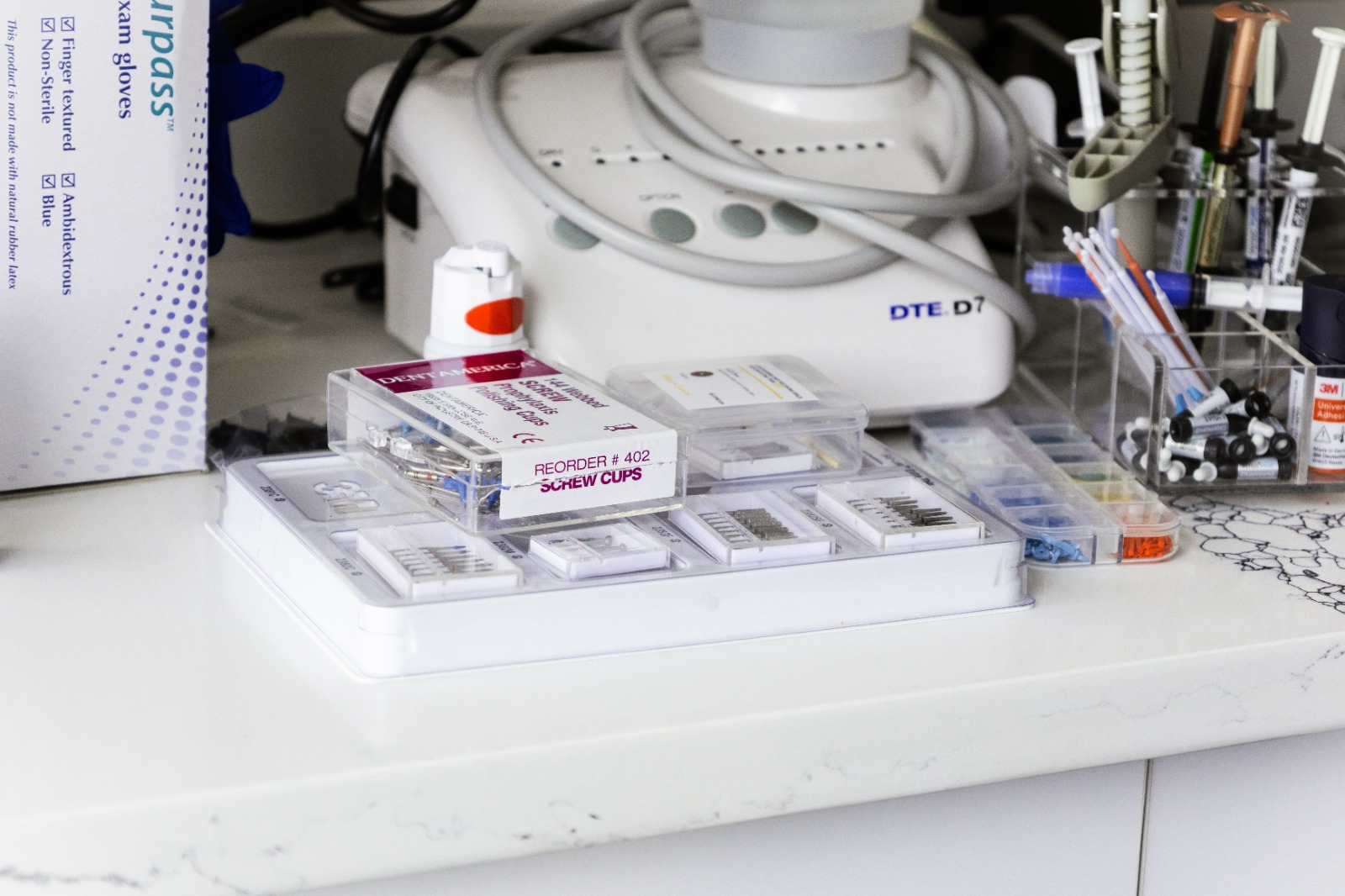
Hand instruments or an ultrasonic scaler may be used to remove deposits from tooth surfaces and around the gumline. Polishing may be offered when appropriate to remove some surface stain; it is not the same as whitening.
The dental professional may clean between teeth and discuss brushing technique, interdental cleaning, or areas that need extra attention.
Many people find routine cleaning comfortable, but sensitivity can occur when gums are inflamed, roots are exposed, or deposits are extensive. Tell the dental professional if you feel discomfort so they can discuss ways to make the appointment manageable.
There is no single schedule for everyone. The recommended interval depends on gum health, plaque and tartar buildup, medical and dental history, and home care. Your team can recommend a recall interval after assessing your needs.
Professional dental cleaning is important and is considered as the first step to get perfect smile but you still need daily teeth brush and self cleaning.A professional dental cleaning is a preventive procedure performed by a dentist or dental hygienist to remove plaque, tartar (calculus), and superficial stains that cannot be eliminated through regular brushing and flossing alone. During the appointment, your dentist also evaluates your overall oral health, allowing any potential problems to be detected early before they become more serious. Professional cleanings are safe, comfortable, and one of the most effective ways to maintain healthy teeth and gums, as well as it Helps Prevent Gum Disease Gingivitis often begins with mild inflammation and bleeding gums. Without treatment, it can progress into periodontitis, a more serious condition that damages the bone supporting your teeth. However, Removes Surface Stains Coffee, tea, red wine, tobacco, and certain foods can stain the outer surface of your teeth. Professional polishing removes many of these superficial stains, helping restore a cleaner, brighter smile.
Brush twice a day with fluoride toothpaste, clean between teeth daily, and follow your dental team's instructions. If gums bleed regularly, feel swollen, or change, arrange an assessment rather than brushing less.
It may remove some external stains, but it does not change the natural internal shade like whitening treatment.
Often yes after routine cleaning. Follow the team's instructions if fluoride or another treatment is applied.
Inflamed gums can bleed when touched. Persistent bleeding should be assessed.
If you have questions or have noticed a change in your oral health, contact Shaughnessy Square Dental Centre to arrange an assessment. The team can discuss your concerns and explain options based on your individual needs.