Why Does a Tooth Need a Crown After a Root Canal?
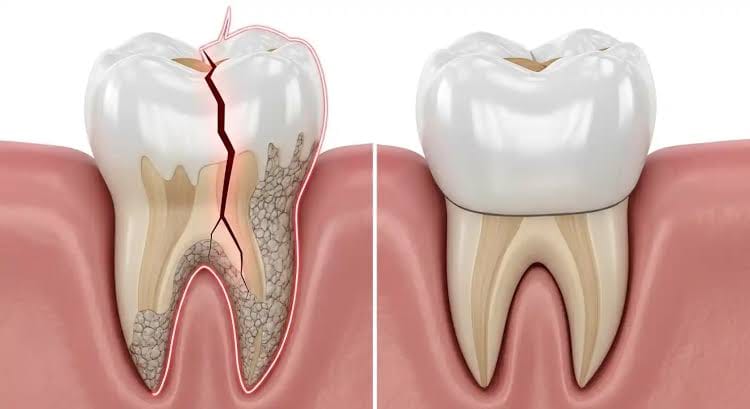
A crown may be recommended after a root canal to protect the remaining tooth and restore its shape and function. Root canal treatment removes inflamed or infected tissue from inside the tooth, but it does not rebuild tooth structure that has been lost through decay, cracks, or previous dental work.
Why is a crown often recommended after a root canal?
Not every root canal-treated tooth automatically needs a crown. The recommended restoration depends on the tooth’s location, how much healthy structure remains, whether it has cracks, and the forces placed on it when you bite and chew.
What happens to a tooth during root canal treatment?
Inside each tooth is a soft tissue called the pulp, which contains nerves and blood vessels. When the pulp becomes infected or irreversibly inflamed, root canal treatment removes the affected tissue. The dentist cleans and shapes the canals, fills and seals them, and closes the access opening.
The treatment addresses the problem inside the tooth, but the tooth still needs a durable restoration. The final restoration helps seal the access opening and allows the tooth to function as part of your bite.
Why can a root canal-treated tooth be more vulnerable?
Many teeth that need root canal treatment have already lost substantial structure because of deep decay, large fillings, cracks, or repeated procedures. The amount of remaining healthy tooth structure is an important factor in deciding how to restore the tooth.
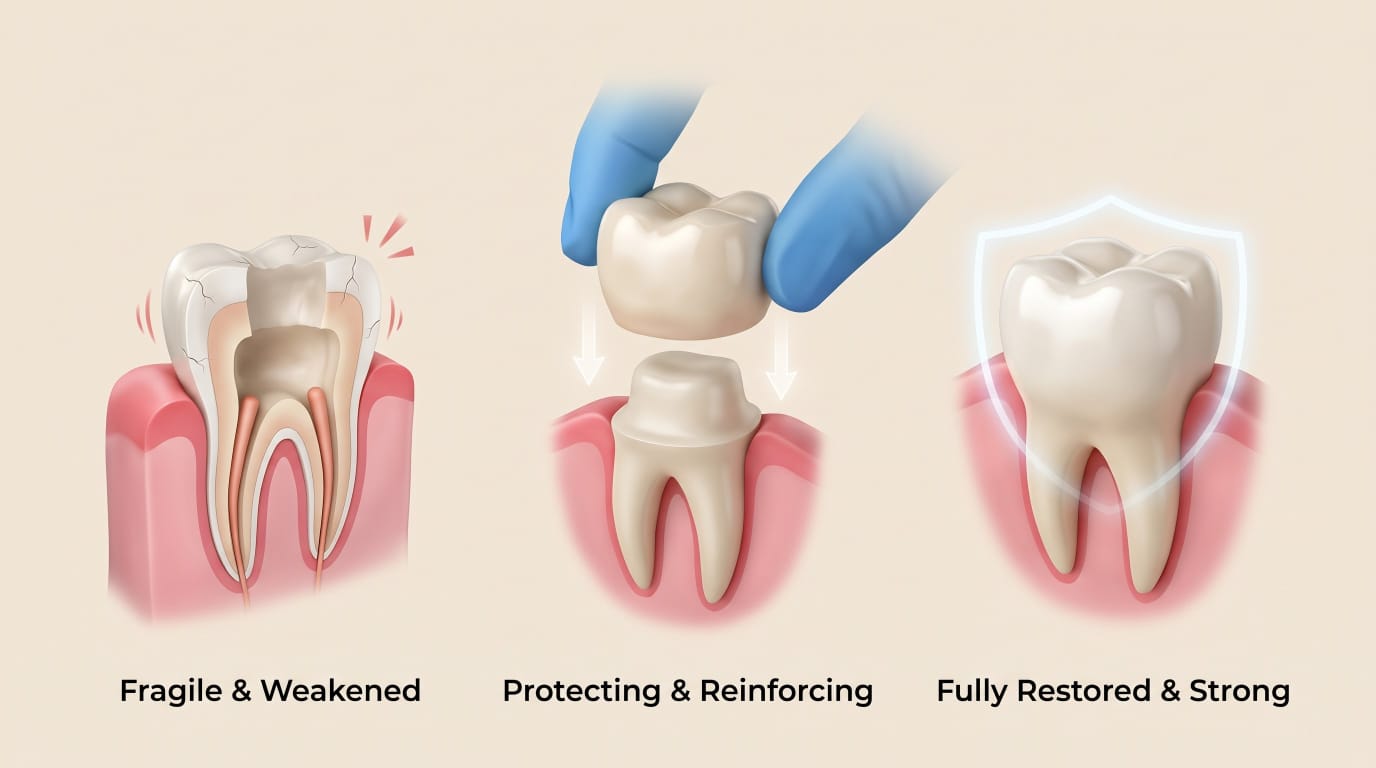
Back teeth such as premolars and molars are exposed to significant chewing forces. When a large amount of tooth structure is missing, a crown may help cover and protect the remaining walls. A crown does not make a tooth indestructible, but it can provide support and restore its shape when clinically appropriate.
What is a dental crown?
A dental crown is a custom-made restoration that covers the visible part of a tooth above the gumline. It is designed to restore the tooth’s shape, strength, and appearance. Crowns can be made from different materials, and the dentist will recommend a suitable option based on the tooth’s position, bite, appearance, and clinical needs.
Does every tooth need a crown after a root canal?
No. Some teeth may be restored with a permanent filling or another conservative restoration if enough healthy structure remains and the tooth is not at high risk of fracture. Front teeth may sometimes need a different approach from back teeth because they generally experience different biting forces.
The decision should be based on an examination of the tooth, not a one-size-fits-all rule. Your dentist will consider the amount of remaining tooth, the size and position of existing fillings, any cracks, and the tooth’s role in your bite.
What can happen if you delay the final crown?
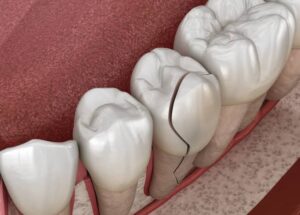
If a tooth needs a crown but remains inadequately protected, it may be more vulnerable to cracking or breaking. A fracture can sometimes extend below the gumline and make the tooth difficult or impossible to restore. A temporary filling is not always intended to serve as a long-term restoration.
The timing of the final restoration depends on the tooth and the treatment plan. Ask your dentist when the permanent restoration should be completed and what precautions to follow until then. Avoid chewing hard or sticky foods on a tooth that has only a temporary restoration, unless your dentist gives different instructions.
What happens when a crown is placed?
The dentist assesses the tooth and prepares it to receive the crown. An impression or digital scan is used to create a restoration that fits the tooth and works with the surrounding bite. Depending on the workflow, a temporary crown may be placed while the final one is made. At a later visit, the dentist checks the fit, appearance, and bite before securing the final crown.
The exact steps vary according to the material, the tooth, and the clinical situation. Your dentist will explain what is planned and whether any additional support, such as a post and core, is needed.
How do you care for a crowned tooth?
- Brush twice daily with fluoride toothpaste and clean between your teeth every day.
- Keep the gumline around the crown clean to help reduce the risk of decay and gum disease.
- Attend regular dental examinations and professional cleanings.
- Avoid using your teeth to open packages or bite hard non-food objects.
- Tell your dentist if the crown feels high, loose, uncomfortable, or if you notice pain when biting.
- Follow any specific instructions provided while a temporary crown is in place.
A crowned tooth can still develop decay at its edges or gum disease around it. A crown protects and restores the tooth, but it does not replace good daily hygiene or routine dental care.
So, Do you have questions about; Tooth Need a Crown ?
Frequently Asked Questions
Will every root canal need a crown?
No. The decision depends on the amount of healthy tooth remaining, the location of the tooth, and its risk of fracture. Many back teeth need crowns, while some teeth may be restored with a filling or another restoration.
Can I leave a temporary filling after a root canal?
A temporary filling is generally intended for short-term use. Follow your dentist’s instructions and arrange the recommended final restoration promptly so the tooth is appropriately sealed and protected.
Does a crown prevent all fractures?
No restoration can eliminate every risk. A crown may help protect a weakened tooth, but the tooth and restoration still need appropriate care and monitoring.
Can a tooth get a cavity after a root canal?
Yes. Root canal treatment does not make the outer tooth immune to decay. Good brushing, cleaning between teeth, and regular dental visits remain important.
How long does a crown last?
There is no guaranteed lifespan. Longevity depends on the material, fit, bite forces, oral hygiene, habits such as grinding, and regular maintenance. Your dentist can explain the factors relevant to your crown.
Protect Your Smile with the Right Dental Restoration
If you have recently had a root canal or need advice about restoring a treated tooth, arrange a dental assessment. Shaughnessy Square Dental Centre can help you understand your restoration options and plan appropriate care.
Book an Appointment